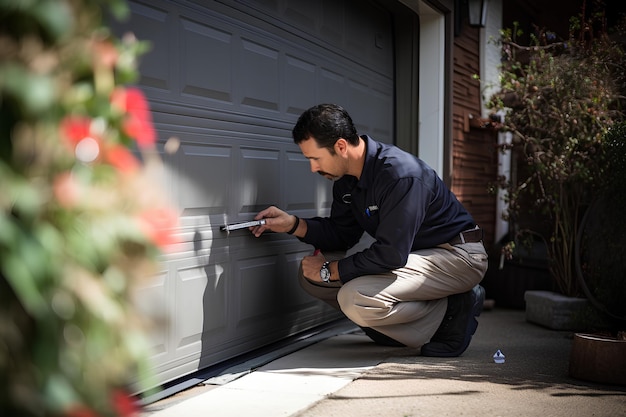
A garage door that closes then instantly opens again usually points to safety sensors that cannot confirm a clear path or to force and limit settings that confuse the opener. In most Australian homes nine problems account for almost every case and more than half of those can be fixed in under thirty minutes with only a clean cloth and a screwdriver. By following the steps below you can restore smooth operation, save a service call and keep the door compliant with Australian Standard AS NZS 4505 for automated access systems.
Why Your Garage Door Reverses Mid Close
Electronic openers are designed to protect people, pets and vehicles. When any part of the system senses danger the opener immediately reverses. That protection is welcome until dust, weak springs or a wrong setting convinces the unit that danger is present when nothing is actually there. Understanding each trigger will help you target the exact solution.
Misaligned Safety Sensors
Every modern opener uses two infrared eyes positioned facing each other near the floor. They must form a perfect invisible line across the doorway. If one bracket gets nudged by a bicycle or broom the light beam misses its partner and the opener thinks an object is in the way. Even a five millimetre shift can break the connection.
Dirty or Blocked Photo Eyes
On the coast fine salt spray lands on everything, including the small lenses on those sensors. Cobwebs, lawn clippings and red dust out west do the same. When grime covers the glass the beam weakens until the system treats the situation as a blockage. A damp cloth wipe fixes the majority of calls received by S and R Garage Door Services in Perth.
Incorrect Limit or Force Settings
Openers ship with factory default values that rarely match the exact travel distance of an installed door. If the down limit is too high the motor keeps running after the door touches the floor, senses extra resistance and reverses. Conversely, if down force sensitivity is set too low the weight of the door alone can trigger a false obstruction reading.
Track Debris or Damage
Steel tracks must guide rollers smoothly. Small stones, rusty flakes or a dent can slow closing speed. The opener notices the higher load and reacts by opening again. In older houses slight timber movement pulls the tracks out of alignment which narrows the channel and catches a roller.
Wiring or Beeping Issues
Flashing lights or beeps on the control panel often signal loose low voltage wiring to sensors. Rodents and cockatoos occasionally chew through cable insulation in rural regions, sending intermittent signals that cause reversing. Some B and D models also beep steadily when limits are out of range.
Weather and Spring Tension in Australian Conditions
Queensland humidity and Victorian cold snaps influence spring behaviour. When torsion or extension springs lose tension the opener must work harder during the final centimetres of travel. The motor controller interprets the extra current draw as an obstruction and orders a reverse. Sudden temperature swings can make the behaviour vanish in the afternoon then return the next morning.
Opener Logic Board Malfunctions
Lightning strikes, power surges and age may corrupt the memory on the circuit board that stores travel data. If all mechanical checks pass yet the door still reverses, the board may need a reset or replacement.
Step by Step DIY Fixes For Common Problems
Safety first. Disconnect power at the wall before putting hands near moving parts then plug back in only when ready to test. Keep children and pets well clear.
Clean and Realign Sensors
Start by wiping each lens with a damp microfiber cloth then follow with a dry polish. Do not use harsh sprays. Check indicator lights on both units. Steady green on B and D and steady red on Gliderol confirm alignment. If lights blink loosen the wing nut on the misaligned side, gently swivel until the light goes solid then retighten. Confirm operation by closing the door with the remote. If the door reaches the floor without reopening your job is done.
Adjust Limit and Force Settings
Locate the limit dials or digital buttons on the opener head. Consult the label inside the cover for directions specific to the brand. Close the door and place a timber offcut on the floor under the centre. Press close. The door should hit the timber then reverse within two seconds. If it crushes the timber reduce down force. Next remove the timber and adjust the down limit so the bottom seal compresses lightly against the slab without bouncing. Run three full open close cycles to store the new values.
Inspect Tracks and Balance Door
Disconnect the opener by pulling the red manual release cord. Lift the door by hand to shoulder height. A well balanced door will stay there or move only slightly. If it slams down or shoots up the springs need adjustment by a professional. While the door is partially raised examine both tracks for dents, screws sticking out, or sticky residue. Clean with a cloth soaked in mild detergent then dry. Bend minor dents back with multigrips, always wearing gloves.
Test Spring Tension and Lubrication
With the door still in manual mode close it fully, engage the opener and run a powered cycle. Listen for loud squeaks or jerky motion. Apply a lithium based spray to hinges, rollers and springs, wiping excess. Do not use oil that attracts dust. A quiet consistent operation indicates correct tension and lubrication.
Reset or Replace the Opener Circuit
For most units an electronic reset involves unplugging the motor for sixty seconds then restoring power. If reversing persists hold the learn button until lights flash then reprogram travel limits from scratch. Should memory loss repeat within days the board likely has failing capacitors. Replacement boards cost less than a full motor and can be swapped with only a screwdriver.
When You Should Call a Professional in Australia
Some repairs require specialised tools or training under Australian electrical and building regulations. Broken torsion springs store lethal energy and must never be handled without proper bars and clamps. Frayed lifting cables, track brackets torn from masonry and doors heavier than twenty kilograms also fall into professional territory. If the opener hums without movement or the door sits skew, both symptoms indicate cable off drum conditions that can cause the door to drop. Seek help if fixes above do not solve the issue within an hour.
Average wait time for metro areas is twenty four to forty eight hours while remote townships may face longer. Confirm that the technician is trained to AS NZS 4505 and carries public liability insurance.
Prevention Advice for Australian Homes
Preventative tasks every three months will keep the door reversing system trouble free. Hose dust from sensors during car washing, wipe tracks with a rag, test the photo eye by passing a broom through while closing, and observe whether the door reverses easily. Every six months clean and lubricate hardware, tighten loose hinge screws and clear branches that can fall onto tracks during storms. In coastal suburbs add fresh lanolin spray to springs to fight salt corrosion. In bushfire prone zones install ember mesh over sensor brackets to stop ash deposits.
Cost Guide for Typical Australian Repairs
| Repair task | Parts cost AUD | Typical labour AUD | Combined total AUD |
|---|---|---|---|
| Sensor clean and realignment | 0 | 90 to 130 | 90 to 130 |
| New pair of sensors | 65 to 90 | 90 to 130 | 155 to 220 |
| Limit and force recalibration | 0 | 120 to 150 | 120 to 150 |
| Track realignment and service | 0 to 45 | 140 to 180 | 140 to 225 |
| Torsion spring replacement | 110 to 180 each | 160 to 220 | 270 to 400 |
| Logic board replacement | 120 to 200 | 120 to 180 | 240 to 380 |
Figures are based on surveys of fifty service companies across Sydney, Melbourne and Perth in 2025. Regional rates can vary by up to fifteen percent due to travel time.
Quick Troubleshooting Reference Table
| Symptom | Most likely cause | Fast check | DIY or pro |
|---|---|---|---|
| Door reverses instantly after closing | Sensor beam interrupted | Clean lenses and confirm alignment lights | DIY |
| Door touches floor then reopens | Down limit too high | Reduce down limit setting | DIY |
| Door struggles then reopens halfway | Track obstruction or weak spring | Inspect tracks and test balance | DIY or pro |
| Opener beeps and light flashes five times | Sensor wiring fault | Inspect cable joins at terminals | DIY |
| Door hums but does not move | Broken spring or cable off drum | Check spring integrity | Pro only |
Frequently Asked Questions
Why does my door reverse with nothing in the way
Invisible misalignment or grime on the photo eye blocks the beam even when the doorway looks clear. Cleaning and aiming the sensors fixes about sixty five percent of calls to repair centres.
Is sunlight able to trick sensors
Direct low morning or afternoon sun can overwhelm an infrared receiver. Slightly angling the sensor housings inward or adding a short hood made from PVC conduit solves the glare.
How do I stop the beeping on my opener
Beeping serves as a diagnostic alert. Most openers silence once the underlying limit or sensor fault is cleared. If beeping continues after adjustments consult the manual for the exact flash and beep code pattern.
Can I bypass safety sensors temporarily
While some units allow wiring the terminals together this practice breaches AS NZS 4505 and exposes users to crush injuries. Bypass only during professional testing then reinstate proper operation.
What is the lifespan of B and D or Gliderol openers
With regular lubrication and annual service those brands typically run ten to fifteen years. Electronic boards may need replacement at the ten year mark especially in high humidity.
Conclusion
A garage door that closes then opens again almost always signals a sensor, limit or track problem. By systematically cleaning lenses, realigning brackets, refining travel settings and inspecting hardware you can solve most issues without spending more than an hour. Australian climate factors such as salt spray, temperature swings and wildlife nibbling on wires demand regular maintenance. Keep the door balanced, the tracks clear and the sensors clean and you will enjoy smooth reliable operation for many years. When heavy components break or the problem persists do not hesitate to engage a qualified technician who follows national standards, because safe operation is worth every cent.
Visit our Garage Door Repair page for more information or Contact us for professional assistance.