Living on the Gold Coast rewards homeowners with sunsets over sparkling surf and a breeze that never seems to rest. That same ocean breeze carries salt that creeps into every tiny gap of metal, timber and paint. Few places test a garage door the way our coastline does. If you have spotted a reddish stain at the bottom rail, flakes around the hinges or a squeal when the rollers move, rust has already started its slow takeover. The good news is that you can stop corrosion, reverse early damage and choose materials that thrive in salty air. This guide explains the science behind Gold Coast rust, shows you how to identify trouble early, offers proven prevention tactics and presents clear cost comparisons so you can decide between do it yourself maintenance and professional help.
Why Gold Coast Salt Air Accelerates Garage Door Rust
The Gold Coast sits within a narrow coastal strip where high humidity meets consistent sea spray. Laboratory studies by the CSIRO confirm that airborne chlorides rise sharply from Southport to Coolangatta, peaking within the first five kilometres inland. The Bureau of Meteorology records average summer humidity above eighty per cent, creating the perfect environment for electrochemical reactions on exposed steel.
Salt crystals settle on door panels and hardware with each onshore gust. Once dew forms overnight, the salt dissolves in moisture and forms an electrolyte. This liquid layer allows iron in steel to lose electrons and convert into iron oxide. Sunlight then dries the surface, leaving fresh crystals ready to repeat the cycle the next evening. Within a year you may notice powdery surface rust known as flash rust. Left untreated for roughly five years under Gold Coast exposure, structural components like torsion springs and bottom rails can lose up to fifty per cent of their cross sectional area.
Timber and aluminium avoid red rust but still suffer. Moist salt draws water into timber fibres that swell, crack paint and open pathways for rot. Aluminium forms a white oxidation layer that pits the surface, weakening thin roller shutters.
Spotting Rust Early Signs and Symptoms in Coastal Queensland Homes
Most rust starts where you rarely look. The lower edge of the curtain or panel hides behind the weather seal, collecting salt laden water from every storm. Rollers house small bearings that squeak once the lubricant turns gritty with salt. Inside sectional doors, hinges collect moisture where two sheets of steel overlap.
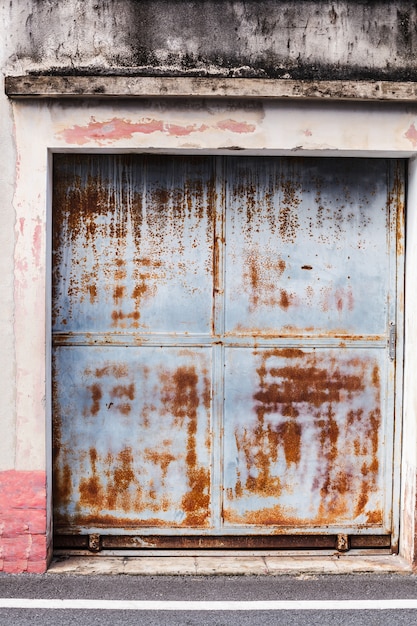
Early warning signs include faint orange specks on the inner face of the door, a brown stain dripping from bolt heads and a chalky film that wipes away to reveal dull metal. Listen for grinding or popping noises when the door moves. Feel the edge of steel panels; a rough texture signals corrosion under paint.
Surface rust remains a cosmetic issue until it reaches pitted rust. At that stage the metal feels uneven and may blister under the coating. Once you can insert a screwdriver into a pit, structural strength is already compromised. Springs that appear intact can hide cracks under the coil, a common failure point when salt air reduces the protective oil film. Catching these signs within the first two years saves hundreds of dollars later.
Proven Prevention Strategies for Gold Coast Garage Doors
Regular maintenance is the single best defence against salt damage. Schedule a quick clean every fortnight during summer when onshore winds peak. Rinse the exterior with fresh water from a low pressure hose, paying attention to the bottom rail and tracks. Allow the door to dry, then apply a silicone based spray to hinges, rollers and springs. Avoid petroleum products that trap grit. After heavy storms rinse again to remove concentrated salt deposits.
Material Upgrades Stainless Steel Aluminium and Colorbond
If you plan an upgrade or a new build, choose materials designed for marine environments. Stainless steel hardware resists chloride attack, extending hinge life from three to ten years on average. Aluminium panels weigh less than steel and form an oxide layer that actually protects the underlying metal, though they need periodic cleaning to avoid pitting.
Colorbond Ultra steel remains a popular option along the coast. It features a metallic coating with alloyed aluminium zinc and magnesium, then a baked enamel finish. Independent testing at the Gold Coast Seaway station showed Colorbond Ultra panels retained ninety five per cent of original thickness after ten years of direct exposure. Compare that to galvanised steel that lost almost thirty per cent in the same period.
DIY Cleaning and Lubrication Routines with Queensland Safe Products
Start with a bucket of warm water and a mild detergent approved for automotive paint. Use a soft sponge to wash panels from top to bottom. Rinse thoroughly. Avoid abrasive pads that remove protective coatings. Dry with a microfiber cloth.
For lubrication select a lithium complex grease for hinges and a silicone spray for nylon or plastic rollers. Wipe away excess to prevent dust build up. Inspect the weather seal along the bottom. Replace any cracked rubber to stop salty water entering the garage.
Complete a deeper service every six months. Disconnect the opener, lift the door manually and feel for smooth operation. Tighten loose nuts but never over tighten, which can strip protective plating. If springs feel dry, lightly coat them with white lithium spray while wearing safety glasses.
Weatherproofing Seals and Coatings
Modern marine grade epoxy primers form a sacrificial barrier that bonds with steel. When combined with a polyurethane topcoat, the system can delay rust for over a decade. Apply coatings in a well ventilated area and follow the manufacturer’s curing times. For timber doors, choose an alkyd oil based sealer that penetrates fibres and repels moisture. Recoat timber every two to three years.
Magnetic strip seals along the vertical tracks reduce gaps where spray can enter. At the bottom rail, a U shaped PVC seal directs water away from the interior. Ensure the concrete slab slopes outward so puddles do not linger beneath the seal.
Step by Step Repair Guide When DIY Is Not Enough
Surface rust smaller than a five cent coin usually responds to sanding and touch up paint. Mask surrounding areas, sand to bright metal with a fine grit paper and wipe clean with isopropyl alcohol. Apply a zinc rich primer followed by two coats of matching finish. Allow each coat to dry completely to avoid trapping moisture.
Pitted rust demands more aggressive intervention. Use a wire wheel on a drill to remove flaky material until only solid metal remains. If the pit depth exceeds one millimetre, fill the cavity with an epoxy body filler compatible with steel, sand smooth then prime and paint.
When hinges or rollers seize, replacement proves safer and quicker than restoration. Unplug the opener, prop the door and loosen the retaining bolts. Swap old hardware with stainless steel equivalents, lubricate and test balance. If the door slams shut or lifts unevenly, the torsion spring tension might be off. Spring adjustment involves stored energy that can cause serious injury, so call a licensed technician with Queensland Building and Construction Commission accreditation.
Severe corrosion at the bottom rail or on load bearing struts compromises safety. A professional can cut out damaged sections and weld in marine grade replacements. In extreme cases where panels sag or the track system corrodes through, full door replacement becomes more cost effective.
Cost Breakdown Prevention Versus Replacement in the Gold Coast
Preventive care remains the cheapest path in every scenario. Even a modest schedule of rinsing and lubricating saves enough to pay for a family holiday at Burleigh Heads by delaying full replacement.
Gold Coast Case Studies Real Doors Saved from Salt Damage
A homeowner in Surfers Paradise noticed rust stains after only three years. The door faced prevailing south easterly winds and backed onto a swimming pool that added airborne chlorides. A technician removed surface rust, applied an epoxy primer and fitted new stainless steel hinges. The entire job cost eight hundred dollars and added at least seven years of service.
Another case in Broadbeach Waters involved a timber tilt door with peeling paint. Moisture had swelled the bottom stile and the opener strain showed in jerky movement. Workers stripped the timber, applied an alkyd sealer followed by three coats of marine varnish. A fresh PVC weather seal stopped splash back from canal water. Two years later the door still looks new.
At Main Beach a steel roller door installed in the late nineties suffered heavy pitting. The owner opted for a full replacement with an aluminium cyclone rated shutter. The final invoice reached four thousand dollars but came with a twenty year corrosion warranty and lower insurance premium due to improved wind rating.
Top FAQs for Gold Coast Garage Doors
How does Gold Coast salt air cause garage door rust faster than inland areas
Metal rusts when it loses electrons in the presence of oxygen and moisture. Salt water acts as an electrolyte that speeds up this electron flow. On the Gold Coast, sea spray carries salt particles that settle on garage doors. High humidity keeps surfaces damp longer, allowing corrosion to proceed at a rate up to four times faster than inland according to CSIRO field exposure tests.
What is the best rust resistant garage door material for coastal Queensland
Aluminium offers the highest resistance because its oxide layer protects the substrate. Stainless steel hardware pairs well with aluminium panels. For homeowners who prefer steel, Colorbond Ultra provides a specialised marine coating that withstands chloride attack for decades when maintained.
How often should I clean and lubricate a coastal garage door
Rinse and wipe down the exterior every two weeks during summer and monthly in winter. Lubricate hinges and rollers at least every three months. After extreme weather events such as king tides or cyclone driven rain, perform an extra rinse.
Can I remove rust myself without damaging Colorbond paint
Yes, if the rust is superficial. Use a non abrasive nylon pad with mild detergent to scrub gently. Avoid metal brushes that scratch the paint. Rinse well and dry. If bare metal appears, touch up with Colorbond matched paint immediately to seal the exposed area.
What are the average repair costs in the Gold Coast compared to full replacement
Minor spot repairs and lubrication usually cost under two hundred dollars if you hire a professional. More extensive work like replacing a corroded bottom rail can reach nine hundred dollars. By contrast, a complete door replacement ranges from two thousand six hundred to nearly five thousand depending on size and material.
Does home insurance cover salt induced garage door damage
Most standard policies regard corrosion as gradual wear and tear, which they exclude. However, some comprehensive plans offer optional coastal corrosion riders. Check the product disclosure statement and consider adding coverage if your garage holds valuable equipment.
Conclusion The Gold Coast Survival Plan for Your Garage Door
Salt air defines coastal life but it does not have to ruin your garage door. Understanding the chemistry of corrosion, spotting early warning signs and following a regular maintenance routine keep rust at bay. Upgrading to stainless hardware or aluminium panels further tilts the odds in your favour. Prompt repair of any damage prevents small patches from becoming structural failures that risk safety and cost thousands. When in doubt, call a licensed Gold Coast technician who can balance springs, replace hardware and apply marine grade coatings under warranty. With the right strategy you will enjoy smooth, quiet operation and curb appeal long after the next salt laden breeze rolls through.